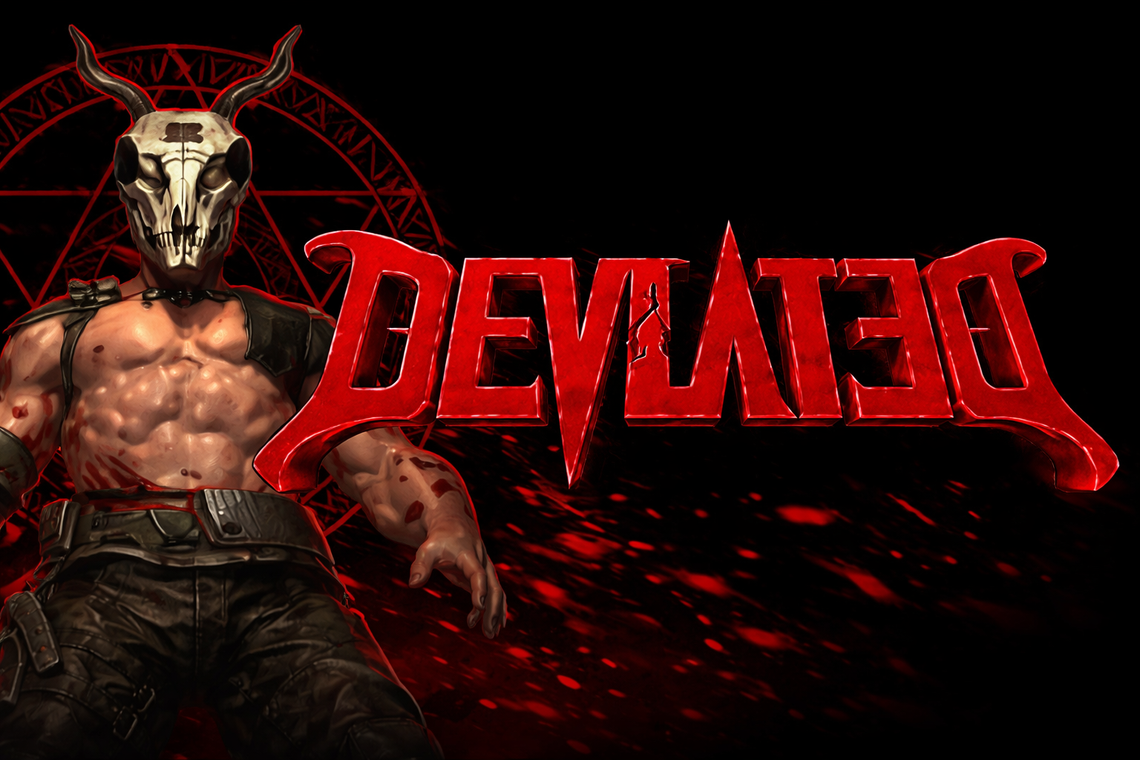
Devilated
Last night, while hunting for a horror game to play, Devilated was offered to me. I had never heard of it before, but its mechanics looked like something I usually enjoy.
Upon diving in, the first 30 seconds leave you relatively confused. About five minutes later, you’re fairly set in the feel of the game.
“I smash the attack button. Enemies hurt. Especially on higher difficulty.”
When things are happening, the game is fast. When they aren’t, it becomes tedious. Large stretches are spent walking, backtracking, or trying to figure out where to go next.
Combat delivers urgency. Traversal drains it.
Contrast Is the Missing Ingredient
The game is solid, if you enjoy a good fast-paced hack-&-Slash. The foundation is there, in it's deeply artistic Hell they've crafted. There is one key thing that keeps it from being truly great...CONTRAST.
The grit and grunge are nailed. The problem is that the entire experience lives in the same emotional palette. There’s no relief, no softness, no moment where the tension is allowed to breathe before being reapplied.
Hell is only hellish because it’s different from heaven. If there’s no difference, there’s no reason to want out. No reason to change anything.
“That’s not just philosophy. It’s psychology.”
Powerful emotional experiences live in contrast. Light needs dark. Silence gives weight to sound. If everything is bright, a candle doesn’t matter. If everything is hell, it’s intense for a while, but it stops meaning anything.
Small patches of calm. Brief softness. Even the suggestion of something better. Those moments do the polar opposite of weakening the horror, they sharpen it.
Difficulty Without Contrast Loses Its Teeth
This same lack of contrast shows up in the game’s difficulty. Enemies hit hard, especially on higher settings, but that pressure is constant. There’s no modulation. No rise and fall.
When everything is punishing all the time, difficulty stops feeling deliberate and starts feeling ambient. The player isn’t responding to danger — they’re enduring it.
Difficulty works best when it’s contextual. When the game chooses when to be cruel. Without that choice, tension becomes static, and frustration replaces fear.
“Hard moments need easier ones around them to matter.”